
The journal
How to toast flour for roux: oven and stovetop methods
Toast flour for a cooked roux using the cited oven method, with a stovetop option, colour cues, a cooled broth paste and storage guidance.
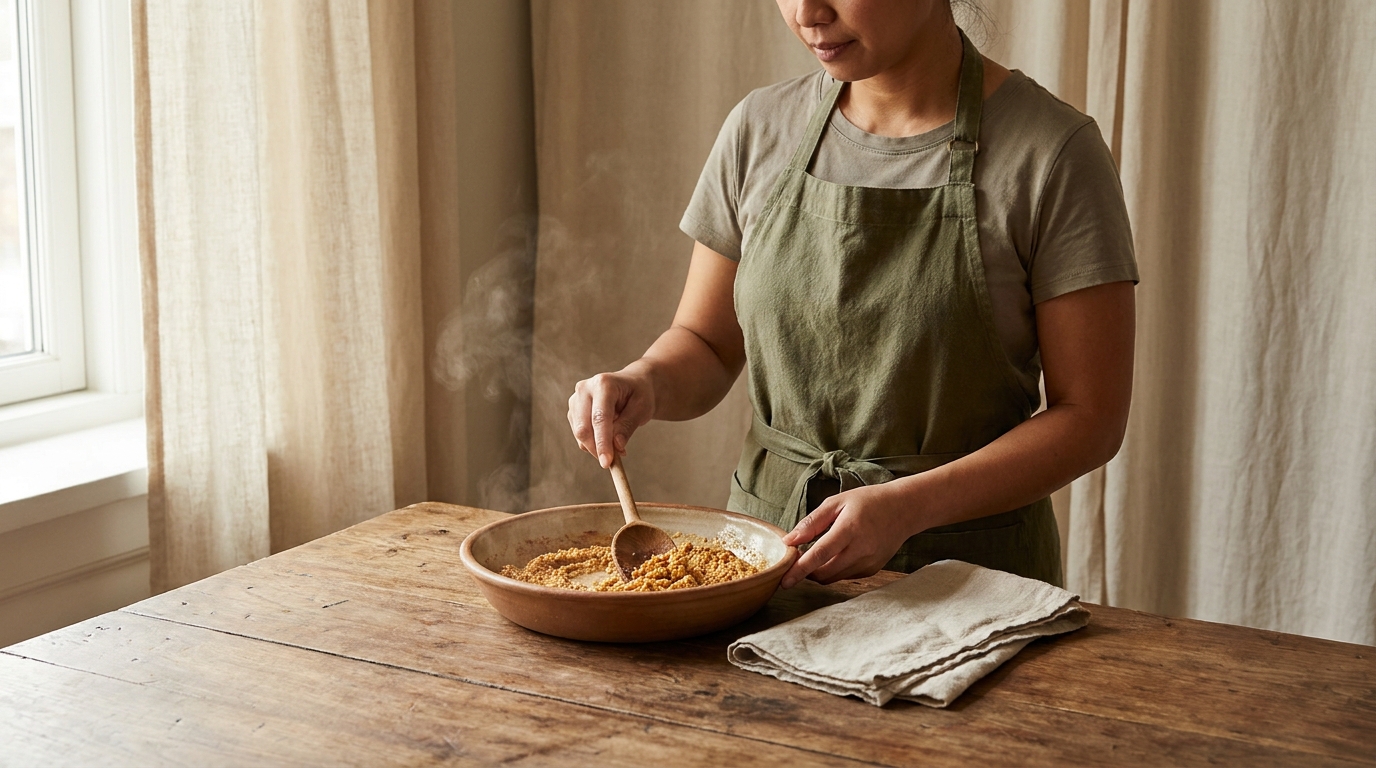
Short answer: Spread all-purpose flour in a light-colored, oven-safe skillet and bake it dry at 425°F on the middle rack, stirring occasionally, until it reaches your target color. Remove it from the hot pan to stop carryover darkening. For gumbo or similar dishes, whisk the toasted flour with room-temperature broth to make a smooth paste before adding it to the pot. This is America’s Test Kitchen’s dry-roux method; its test cook preferred the oven for that gumbo recipe, rather than establishing one best method for every roux (An Easier Way to Make Roux (Without the Nonstop Stirring) | America's Test Kitchen).
Oven method: toast the flour without fat
This method toasts flour without fat, building roasty flavor you can add to gumbo or other sauces later.
- Pan and rack: Use a stainless-steel or other light-colored skillet that tolerates high heat. Place it on the middle rack for even air circulation (America's Test Kitchen dry roux method).
- Temperature: Bake plain all-purpose flour at 425°F, stirring occasionally so it browns evenly. As color develops it darkens faster, so watch more closely near the end (America's Test Kitchen dry roux method).
- Color cues: For a medium-brown dry roux suitable for many gumbos, ATK targets the color of ground cinnamon (America's Test Kitchen dry roux method). Lighter or darker shades are fine depending on your dish, but darker flour will thicken less (see Color and thickening below).
- Stop the cook: Once the color is right, immediately transfer the flour to a cool bowl to halt further browning (America's Test Kitchen dry roux method).
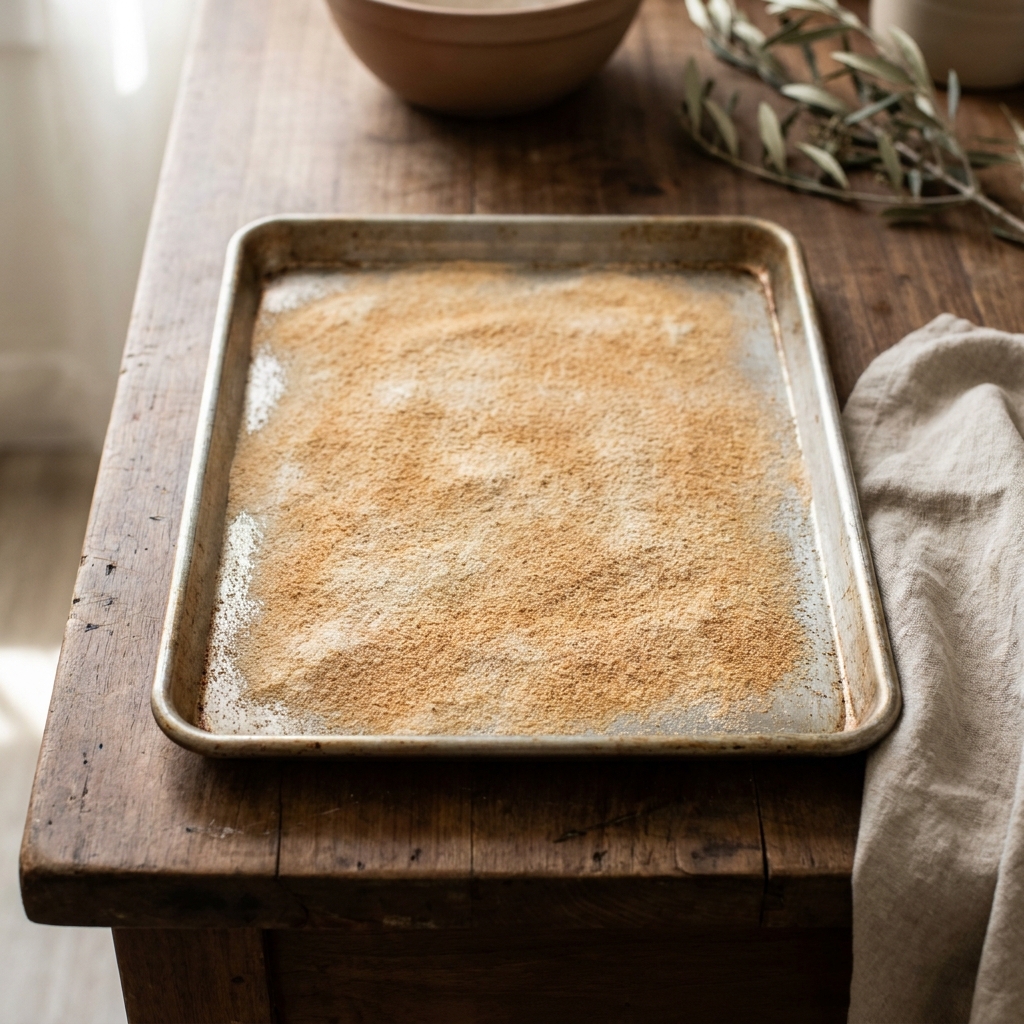
Stovetop option (more active)
You can dry-toast flour on the stovetop, but it needs constant stirring and is easier to scorch. Use a wide, light-colored, heavy skillet over moderate heat, stir continuously, and use oven mitts and transfer the flour to a cool, heatproof bowl when it reaches the intended shade. ATK describes stovetop dry roux as another option and preferred the oven for its recipe (America's Test Kitchen dry roux method).
How to use toasted flour
For gumbo and dark, roasty dishes (no added fat)
Whisk room-temperature broth into the toasted flour in increments until you have a smooth, batter-like paste, then whisk that into your simmering pot. This prevents clumping and keeps the method oil-free (How To Make A Roux | America's Test Kitchen; America's Test Kitchen dry roux method).
For classic white or blond butter roux (maximum thickening)
If you need a traditional butter-and-flour roux for béchamel, gravies, or mac and cheese, skip pre-toasting and make it the standard way: melt butter, whisk in flour, cook briefly to white or blond, then whisk in liquid. Butter-based light roux thickens best, while long-cooked dark roux adds flavor but thickens less (How To Make A Roux | America's Test Kitchen). For color references during stovetop roux, cooks often use cues like peanut-butter brown through deep chocolate, judging by sight rather than a timer (How To Make a Roux | Grandbaby Cakes).
Helpful prep: Accurately measure flour before toasting, especially for lighter white/blond roux work. See our quick guide on how to measure flour correctly.
Choose your color: flavor vs thickening power
- Lighter toasted flour (tan to light brown): milder flavor, better thickening.
- Cinnamon to medium brown: balanced toastiness many gumbo cooks like.
- Very dark brown: bold, nutty flavor but noticeably reduced thickening power. Plan to rely more on simmered reduction or add a bit more toasted flour as needed (How To Make A Roux | America's Test Kitchen).
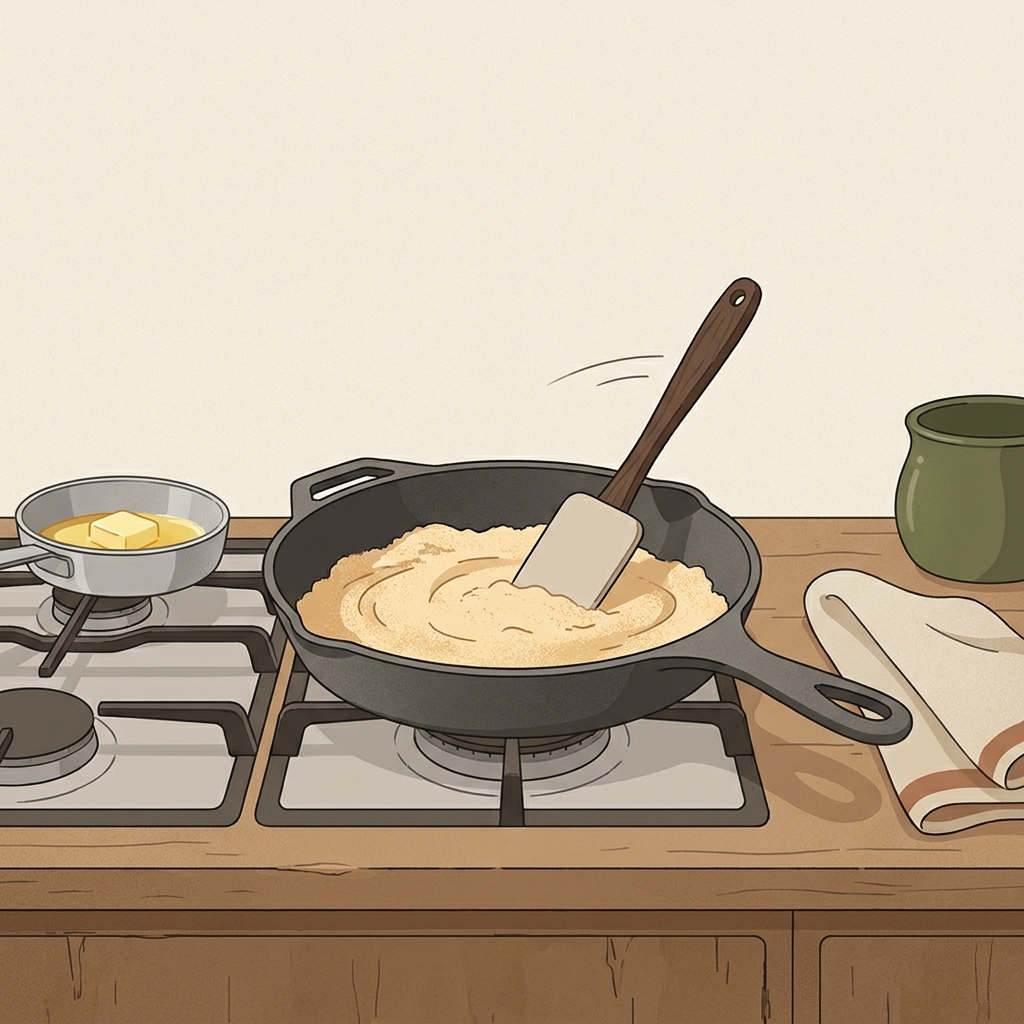
Handle it as an ingredient for a cooked dish
FDA flour guidance warns that home heat treatment is not a reliable way to make flour safe for raw consumption. Toasting here develops flavour for a dish that will continue cooking; colour is not a validated food-safety test. Do not taste raw flour, use recalled flour, or turn this method into a no-cook flour treatment. Clean hands, equipment and work surfaces after handling flour.
Storage and make-ahead
Cool toasted flour completely, then store it in an airtight container in a cool, dry place. ATK reports it keeps for up to six months (America's Test Kitchen dry roux method). For pantry management basics, see our guide on how long flour stays fresh in an airtight container.
Pre-toasted flour for roux: quick checklist
FAQ
Can I make dry roux in a microwave?
ATK notes dry roux can be made in the microwave, but after testing, they found the oven most reliable for even color and low effort (America's Test Kitchen dry roux method).
Do I have to toast flour for a butter roux?
No. For classic white or blond butter roux used in béchamel or gravies, cook flour in butter briefly and then add liquid. Toasting flour first is primarily useful for the oil-free dry-roux technique or when you want a darker, nuttier gumbo base (How To Make A Roux | America's Test Kitchen).

Related guides
Optional equipment for this guide
You need suitable cookware and a stirring tool, not a new appliance. Compare the pan size and access to its corners before choosing equipment.
As an Amazon Associate I earn from qualifying purchases. These are researched options, not hands-on test results. Check the exact size or model, current price and availability on Amazon.
| Product option | Fit and limits to check | Retailer |
|---|---|---|
| Product imageLodge 10.25-inch cast-iron skillet | A 10.25-inch bare cast-iron skillet for a suitable roux batch. It retains heat and the handle gets hot; choose a batch and heat level you can stir safely. | View on Amazon |
| Product imageOXO Good Grips 11-inch balloon whisk | A balloon whisk for a pan and roux quantity it can reach comfortably. Check cookware suitability; a flat whisk or spoon you already own may suit the corners better. | View on Amazon |